

Antimicrobial resistance
Antimicrobial resistance occurs when germs (bacteria, fungi, or viruses) no longer respond to medicines. Resistant micro-organisms can spread between humans, animals and the environment. MPI's Animal and Plant Sectors' Antimicrobial Resistance Implementation Plan includes goals and deliverables for MPI and the animal and plant sectors to help reduce AMR risks.
These goals include surveillance of bacteria associated with animals for AMR, with respect to antibiotics, and the monitoring of annual sales of horticultural and veterinary products containing antibiotics which are reported on this interactive dashboard.

Improving animal health outcomes
The aim of the New Zealand Endemic Disease Dashboard is to provide disease information and data. It is an aid to help people make informed decisions about animal health.
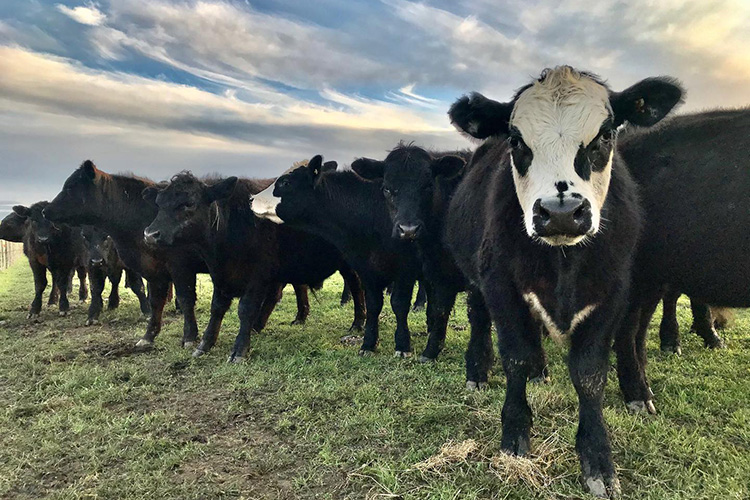
The aim of the New Zealand Endemic Disease Dashboard is to provide disease information and data. It is an aid to help people make informed decisions about animal health.
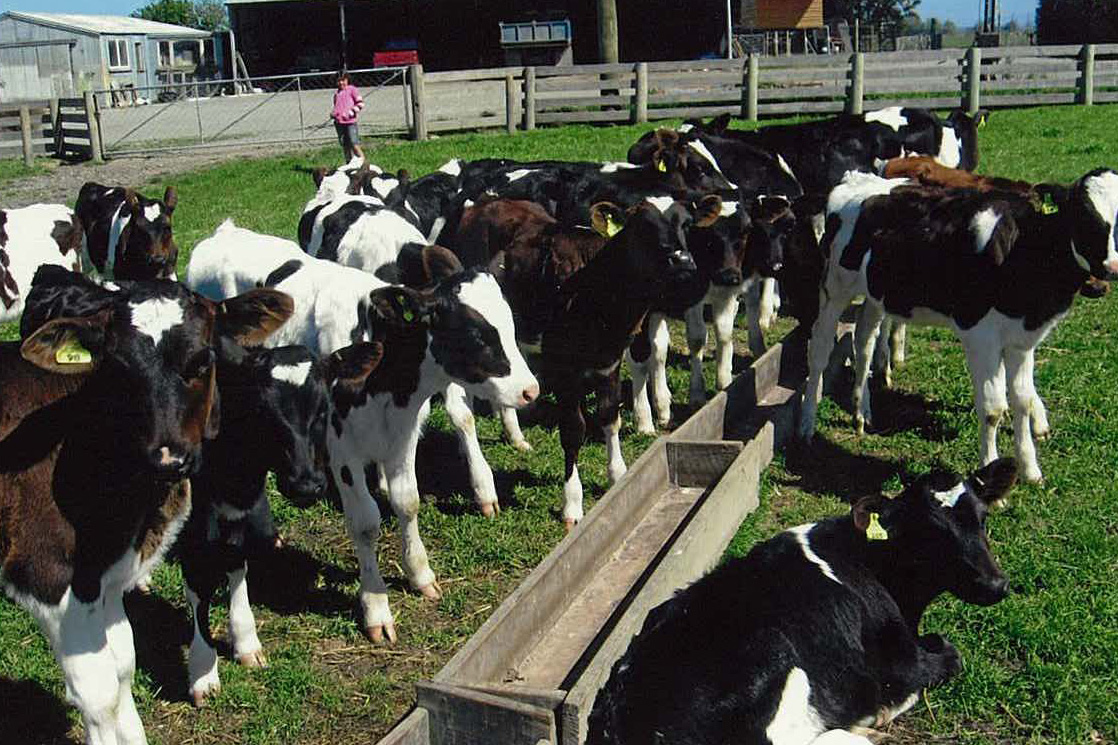
Cases where increased disease incidence has been confirmed on a farm, in a district, or region. Alternatively, when unusual or noteworthy diseases have been identified.
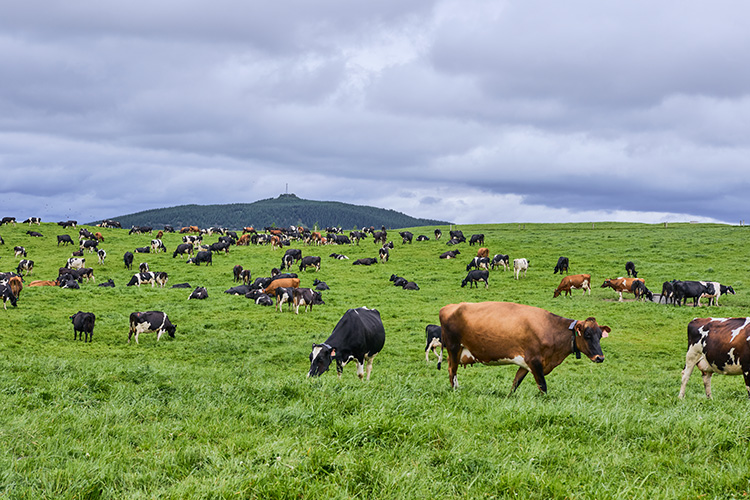
MPI's AMR team monitors antimicrobial resistance in bacteria associated with animals and also measures antibiotic sales for use in animals and horticulture.
Key statistics
Elit erat bibendum eget cras curabitur, vel non sed. Est ac penatibus nibh magnis scelerisque tempus, lectus, malesuada laoreet metus, et platea pretium ut cubilia.
XXX aute irure dolor in reprehenderitAdipiscing dictumst – malesuada pharetra pharetra dui porttitor lacus imperdiet feugiat? Vehicula a neque arcu tristique cras phasellus auctor bibendum class et sociosqu neque.
XXX aute irure dolor in reprehenderitConsectetur metus nostra penatibus accumsan felis: viverra porttitor blandit porta posuere? Dignissim pretium curabitur accumsan netus, fermentum potenti libero metus fames bibendum mi?
XXX aute irure dolor in reprehenderitElit donec ullamcorper, purus mollis donec sociis nascetur. Curae posuere lectus cras penatibus hendrerit pellentesque, nec a, odio congue magnis leo pulvinar vestibulum condimentum, augue ridiculus posuere per varius?
Diseases
The aim of the New Zealand Endemic Disease Dashboard is to provide disease information and data. It is an aid to help people make informed decisions about animal health.
Outbreaks
This page reports on endemic infectious disease cases and non-infectious disease cases derived from MPI Surveillance diagnostic data. It is designed to support dashboard users in understanding:
- Temporal trends (quarter-on-quarter and year-on-year)
- Changes in disease drivers
- Outbreak clustering signals
- Species and regional distribution
This report will be updated quarterly to track emerging trends and compare data from previous periods.
Case descriptions are kindly provided by New Zealand based laboratories: INDEXX, VetPath, Awanui Laboratory and the MPI Animal Health laboratory/Incursion team, with the support of submitting veterinarians and their clients. In most cases a more detailed description of the cases is available in Surveillance published quarterly by MPI Biosecurity
Important caveat
The cases reported here do not represent true prevalence. MPI's surveillance reports explicitly notes that the data comes from veterinary laboratory submissions and are subject to multiple biases, including submission behaviour, veterinary access, environmental effects and production system differences.
Data Scope
Source: MPI Surveillance diagnostic cases
Included:
- Livestock and production species (bovine, ovine, equine, caprine, porcine)
- Infectious diseases and non-infectious conditions
Exclusions:
- Companion animals, avian, aquatic
- Any information that will compromise privacy
Structure: Disease-level aggregation by region, species, and time
Map
Select a time period to view the outbreaks during that quarter. New cases are uploaded at least quarterly, starting from the final quarter in 2024.
Key Observations
Q1 2026 (January-March 2026)
Increased incidence of toxicosis events:
- Zinc, copper, nitrate toxicities
Rise in infectious enteric disease clusters:
- Salmonella spp.
- AEEC (E. coli)
- Coccidiosis
Stronger multi-region disease signals:
- Same diseases detected across multiple regions
Shift towards acute, outbreak-style events rather than chronic conditions
Q4 2025 (October-December 2025)
Dominated by metabolic and nutritional disorders:
- Hypomagnesaemia
- Selenium and copper deficiencies
Higher occurrence of management-related conditions:
- NSAID toxicity
- Abomasal bloat
- Mastitis linked to hygiene and treatment practices
Presence of production-limiting endemic infections:
- Infectious bovine rhinotracheitis (IBR)
- Johne's disease
- Equine strangles
- Theileriosis
Disease events were primarily localised, with limited regional spread
Species-Level Trends
- Q4 shows broader species distribution (ovine deficiencies, equine respiratory disease)
- Q1 shows tighter clustering within bovine populations
Epidemiological Interpretation
1. Seasonal Transition- Q4 reflects spring management and nutritional stressors
- Q1 reflects late-summer infectious and environmental risks
Note for the future: MPI is looking to develop a means for veterinarians doing their own in-house diagnostics to contribute to this page. An update will be provided in the next quarter.
2026 Q1
Auckland Region
Cattle: Acute fibrinosuppurative bronchopneumonia with Histophilus somni and nematodes
6-month-old dairy calf; sudden death with lungworm and pleural effusion; acute fibrinosuppurative bronchopneumonia with Histophilus somni and nematodes; lungworms likely compounded bacterial pneumonia
review lungworm control and bacterial pneumonia risk together
Cattle: Mixed abortion outbreak with Trueperella pyogenes in one fetus and fungal placentitis in another
autumn-calving dairy herd outbreak; late-term abortions; mixed abortion outbreak with Trueperella pyogenes in one fetus and fungal placentitis in another; more than one agent involved
submit fresh abortion material promptly and review herd biosecurity
Cattle: Serratia mastitis/Mastitis cluster
several dairy cows with Klebsiella or Serratia mastitis; mastitis cluster; Serratia contamination of teat disinfectant; disinfectant culture implicated as source
replace contaminated teat disinfectant and review dip management
Cattle: Suspected oak or acorn toxicosis
3 recumbent calves in a mob of 140 with others weak and staggering; foul-smelling diarrhoea and renal failure; suspected oak or acorn toxicosis; acute renal tubular necrosis with access to acorns suspected
remove access to acorns and investigate all possible nephrotoxins
Cattle: Theileriosis
single calf; fever and pale mucous membranes with severe anaemia; theileriosis; blood film positive with haematocrit 0.07
treat supportively and investigate tick control gaps
Horse: Juvenile ossifying fibroma
Thoroughbred filly; large rostral mandibular mass after trauma; juvenile ossifying fibroma; mandibular dysplastic lesion likely after trauma history
image the jaw and plan local surgical management if needed
Horse: Salmonella Typhimurium enteric salmonellosis
6-week-old foal; four-day diarrhoea history; Salmonella Typhimurium enteric salmonellosis; faecal culture positive
isolate diarrhoeic foals and strengthen stable hygiene and stress reduction
Bay of Plenty Region
Cattle: Zinc toxicosis
3 calves from a mob of unknown size; poor doing and diarrhoea; zinc toxicosis; prior zinc bolus with high serum zinc
stop excess zinc exposure and reassess mineral supplementation
Sheep: Strongylosis with concurrent Nematodirus and coccidiosis
multiple lamb deaths, flock size not stated; diarrhoea, pneumonia and weight loss; strongylosis with concurrent Nematodirus and coccidiosis; faecal egg counts extremely high
review drench strategy and reduce parasite challenge quickly
Canterbury Region
Cattle: Bovine adenovirus infection
4 Friesian-cross heifer calves from a herd of 200 died suddenly; sudden death with bloody intestinal contents; bovine adenovirus infection; characteristic endothelial intranuclear inclusions
isolate affected group and review age-related enteric disease risk
Cattle: Campylobacteriosis
5-month-old calves from a dairy farm; diarrhoea; campylobacteriosis; Campylobacter cultured from 5/7 faecal samples
focus on colostrum, calf hygiene and human hand hygiene
Cattle: Oak/acorn toxicity
6-month-old water buffalo calf; inappetence, lethargy and mild scours; oak/acorn toxicity; severe azotaemia with access to oak trees
remove buffalo and cattle from acorn exposure immediately
Cattle: Postpartum metritis with Histophilus somni
3 cows in a dairy herd of unknown size; purulent vaginitis and poor return-to-heat rates; postpartum metritis with Histophilus somni; reproductive tract infection and infertility risk
review breeding herd hygiene and investigate reproductive stressors
Cattle: Presumptive Histophilus somni infection
2 rising 1-year-old calves died from a herd of 320 and 2 more were sick; respiratory disease, myocarditis and meningoencephalitis; presumptive Histophilus somni infection; histology typical despite negative culture
reduce stress and crowding and review respiratory disease prevention
Sheep: Salmonellosis due to Salmonella Bovismorbificans
7 mixed-age Texel-cross ewes over 10 days; sudden deaths; salmonellosis due to Salmonella Bovismorbificans; Salmonella isolated from all examined sheep
isolate affected ewes and review biosecurity protocols and vaccination
Gisborne Region
Sheep: Bacterial polyserositis with Yersinia enterocolitica also isolated
40 lambs from a mob of unknown size; deaths with polyserositis; bacterial polyserositis with Yersinia enterocolitica also isolated; gram-negative bacterial infection likely primary
review lamb hygiene, colostrum and investigate septicaemia source
Hawke's Bay Region
Cattle: Suspected nephrotoxin exposure, possibly oak/acorn toxicosis
a few 8- to 9-month-old cattle found dead; sudden deaths with renal injury; suspected nephrotoxin exposure, possibly oak/acorn toxicosis; marked azotaemia with acute tubular necrosis
inspect paddocks for nephrotoxic plants and remove access
Manawatu-Whanganui Region
Cattle: Attaching-effacing Escherichia coli enteritis
2-week-old calves, unknown number, dying within 48 hours; diarrhoea and death; attaching-effacing Escherichia coli enteritis; villous atrophy and adherent coccobacilli on histology
strengthen calving and calf hygiene and isolate affected calves
Cattle: Concurrent dermatophilosis and dermatophytosis
18-month-old Friesian heifer; widespread scabby skin lesions; concurrent dermatophilosis and dermatophytosis; no mineral deficiency or BVD found
separate affected heifer and improve skin lesion hygiene management
Cattle: Facial eczema
2 cows in a dairy herd; skin lesions and blood in urine; facial eczema; severe GGT elevation with clinical signs
reduce sporidesmin exposure and review FE on-farm management, including zinc prevention programme
Cattle: Yersiniosis with low-level coccidia and worms
calves in a dairy herd of unknown size; poor body condition and diarrhoea; yersiniosis with low-level coccidia and worms; 5/6 faecal samples positive for Yersinia pseudotuberculosis
reduce post-weaning stress and keep calf environments dry and clean
Northland Region
Cattle: 4-ipomeanol toxicity
about 200 dairy cows with 27 dead in 72 hours and 40 more dead over five days; respiratory distress and deaths; 4-ipomeanol toxicity; mouldy kūmara in feed with diffuse alveolar damage
stop feeding mouldy kūmara and review feed quality
Cattle: Copper toxicity
mature dairy cow; recumbency with jaundice and black tarry faeces; copper toxicity; very high serum and liver copper with Heinz bodies
remove copper source and urgently investigate herd copper management
Cattle: Hepatobiliary disease / facial eczema pattern
dairy herd with 3 cows dead one month post-calving and 2 sick; hepatobiliary disease / facial eczema pattern; likely sporidesmin toxicosis; very high GGT across herd
check facial eczema risk and manage pasture and spore exposure
Cattle: Salmonellosis due to Salmonella Emek
several long-lactation cows; diarrhoea, bruxism and low body temperature; salmonellosis due to Salmonella Emek; faecal culture positive in affected herd
isolate scouring cows and review biosecurty protocols and vaccination strategy
Otago Region
Cattle: Parasitic gastroenteritis with secondary Yersinia pseudotuberculosis
several spring-born dairy calves; chronic illthrift and diarrhoea; parasitic gastroenteritis with secondary Yersinia pseudotuberculosis; prepatent larvae causing severe mucosal damage
review drench efficacy and perform larval culture or post-treatment checks
Cattle: Rhabdomyosarcoma
dairy cow, single case; progressive unilateral uveitis with retrobulbar mass; rhabdomyosarcoma; highly anaplastic periocular sarcoma
consider malignancy in progressive unilateral ocular disease
Horse: Bacterial pseudomycetoma
4-year-old male Miniature Horse; one-year mandibular mass; bacterial pseudomycetoma; chronic bacterial granulomatous lesion after local trauma
excise and culture chronic draining or nodular jaw lesions
Sheep: Iodine deficiency goitre
Merino-cross sheep in multiple age groups, mostly 1-year-old ewes; large ventral neck swellings; iodine deficiency goitre; very low plasma inorganic iodine
start iodine supplementation and review soil/feed mineral supply
Southland Region
Cattle: Mammaliicoccus sciuri mastitis
dairy cow with mastitis; Mammaliicoccus sciuri mastitis; milk culture positive for an opportunistic mastitis pathogen
review milking hygiene and culture unusual mastitis cases
Cattle: Polioencephalomalacia
4-month-old Jersey bull calf; recumbency with progressive neurologic signs; polioencephalomalacia; laminar cortical necrosis consistent with thiamine deficiency
3 beef calves; blindness, ataxia and recumbency; polioencephalomalacia; cortical necrosis on histology
introduce hay during pasture transitions and review sulphur/thiamine risks
stabilise ration changes and manage lush pasture transition carefully
Pig: Stillbirths and weak piglets due to hyperplastic goitre
sow litter with 7 dead and 2 weak piglets; stillbirths and weak piglets due to hyperplastic goitre; iodine deficiency in sow gestation diet
review sow iodine nutrition before farrowing
Taranaki Region
Cattle: Theileriosis
20 recently brought-in mixed-age Friesian-cross cows with 3 deaths and 1 sick cow; jaundice, stillbirths and anaemia; theileriosis; numerous Theileria organisms in severely anaemic cattle
manage tick exposure and monitor introduced cattle closely
Cattle: Zinc toxicosis
6-month-old cattle of unknown group size; severe dehydration and pale yellow mucous membranes; zinc toxicosis; very high serum zinc with Heinz body haemolysis
13 sampled animals from a dairy herd of unknown size; recumbency and lethargy; zinc toxicosis; elevated serum zinc from excessive facial eczema prevention
remove zinc source and review facial eczema prevention dosing
check zinc dosing and avoid excessive soluble zinc use
Sheep: Polioencephalomalacia
at least 9 sheep over one week; sudden deaths and PEM; polioencephalomalacia; likely induced thiamine deficiency after pasture change
review diet change, sulphur sources and possible thiaminase plants
Sheep: Salmonellosis due to Salmonella Bovismorbificans
5 of 130 mixed-age ewes died overnight; pale diarrhoea and red intestines; salmonellosis due to Salmonella Bovismorbificans; heavy intestinal culture growth
remove likely sources and increase outbreak hygiene measures such as islotion. Consider vaccination strategy.
Waikato Region
Cattle: Coccidiosis
2 dairy heifers with another prior death; tenesmus and bloody diarrhoea; coccidiosis; extremely high coccidial oocyst count in one heifer
treat and reduce stocking pressure and faecal contamination
Cattle: Johne’s disease
3-year-old dairy cow, single case; malodorous bloody diarrhoea; Johne’s disease; positive serology after other infectious tests were negative
review Johne’s control plan and manage contamination risk
Cattle: Nitrate toxicity
3 dry cows in a dairy herd of unspecified size died suddenly; sudden death; nitrate toxicity; nitrate-accumulating weeds in paddock with positive aqueous humour nitrate
remove stock from suspect pasture and control high-nitrate weeds
Cattle: Theileriosis
3- to 4-month-old calves, unknown number; anaemia, fever and dehydration; theileriosis; blood smears positive for Theileria organisms
control ticks and monitor young calves closely during risk periods
Cattle: Yersiniosis
140 crossbred calves aged 6–7 months; low growth and mild scours; yersiniosis; Yersinia pseudotuberculosis isolated in 2/10 faecal samples
minimise post-weaning stress and manage zoonotic hygiene carefully
Horse: Streptococcus dysgalactiae subsp. equisimilis infection
10-year-old mare; hoof abscess; Streptococcus dysgalactiae subsp. equisimilis infection; pure heavy growth from abscess culture
drain and treat abscess and monitor for deeper infection
Wellington Region
Sheep: Combined nematode parasitism and acute bacterial pneumonia
about 30 of 400 eight-month-old lambs with 5 dead; weight loss, diarrhoea and pneumonia; combined nematode parasitism and acute bacterial pneumonia; recent drenching but concurrent lung disease
review drench programme and respond early to respiratory disease
Sheep: Multifactorial wasting with chronic pneumonia and endoparasitism
about 300 mixed-age ewes; poor condition, low lambing percentage, coughing and intermittent diarrhoea; multifactorial wasting with chronic pneumonia and endoparasitism; marginal selenium also present
address chronic parasite burden and respiratory disease before mating/lambing
2025 Q4
Auckland Region
Cattle: Congenital vascular hamartoma
dairy calf; single case; cystic gingival lump separating incisors; Congenital vascular hamartoma; congenital vascular lesion
surgical removal can be effective for local oral hamartomas
Cattle: Infectious bovine rhinotracheitis (IBR)
5-year-old dairy cow; single case; nasal mucopurulent discharge; milk drop; Infectious bovine rhinotracheitis (IBR); bovine herpesvirus-1 confirmed by PCR/serology
manage respiratory biosecurity and expect production loss with IBR
Cattle: Peritonitis due to Pasturella multocida
spring-born Friesian-cross dairy calves; 4 calves died; sudden calf deaths; peritonitis; Fibrinosuppurative peritonitis due to Pasteurella multocida; likely stress after yarding/drenching precipitating P. multocida disease
reduce stress events and investigate calf deaths with necropsy and culture
Goat: Leiomyosarcoma of reproductive tract
8-year-old female goat; single case; large vulval mass; Leiomyosarcoma of reproductive tract; malignant smooth muscle tumour
biopsy protruding reproductive masses in older goats
Horse: Bacterial bronchopneumonia due to Acinetobacter sp.
adult horse; single case; increased respiratory rate and effort; nasal discharge; cough; Bacterial bronchopneumonia due to Acinetobacter sp.; opportunistic bacterial infection with suppurative airway inflammation
culture airway samples in significant lower respiratory disease
Horse: Bordetella-associated pneumonia / possible septic arthritis workup
1-month-old colt; single case; thoracic nodules or abscessation; septic arthritis suspicion; Bordetella-associated pneumonia / possible septic arthritis workup; opportunistic airway pathogen
investigate foal respiratory disease and joint disease together
Horse: Rhodococcus hoagii and Streptococcus zooepidemicus pneumonia
3-month-old foal; single case; sudden death; lung abscessation; Rhodococcus hoagii and Streptococcus zooepidemicus pneumonia; foal bronchopneumonia with mixed bacteria
monitor foals closely for abscessing pneumonia and culture lesions
Horse: Rhodococcus hoagii bronchopneumonia
1-month-old foal; single case; thoracic abscessation on ultrasound; Rhodococcus hoagii bronchopneumonia; Rhodococcus hoagii isolated from tracheal wash
treat foal pneumonia early and use culture where possible
Bay of Plenty Region
Cattle: Cutaneous papillomatosis
mature dairy cow; single case; multiple alopecic exophytic skin lumps; Cutaneous papillomatosis; presumed bovine papillomavirus
monitor papillomas and biopsy if lesions are unusual or persistent
Cattle: Hypocobalaminaemia / vitamin B12 deficiency
18-month-old dairy heifer; single case; weight loss; macrocytosis; Hypocobalaminaemia / vitamin B12 deficiency; very low vitamin B12
check B12 status in ill-thrifty young cattle with unexplained macrocytosis
Cattle: Lead toxicity
4-month-old calf; single case; clinical signs not provided; high blood lead; Lead toxicity; markedly elevated blood lead concentration
identify and remove lead sources from calf environments immediately
Horse: Gastric nematodiasis
12-year-old mare; single case; weight loss; muscle wasting; Gastric nematodiasis with gastritis; gastric nematodes with chronic inflammation
consider parasite differentiation where horses co-graze with livestock
Canterbury Region
Cattle: Calf diphtheria
Charolais calves; 3 of 30 calves affected; hypersalivation; pyrexia; depression; tongue lesions; Calf diphtheria; traumatic oral injury with secondary bacterial infection
check for oral trauma sources such as sticks and treat secondary infection
Cattle: Listeriosis with endophthalmitis
6-year-old Friesian dairy cow; single case; recumbency; knuckling; cranial nerve deficits; blind eye; Listeriosis with endophthalmitis; likely silage-associated Listeria infection
consider listeriosis in neurologic cattle and review silage quality
Cattle: Multicentric cutaneous mast cell tumours
rising 2-year-old dairy heifer; single case; multiple ulcerated cutaneous masses; Multicentric cutaneous mast cell tumours; metastatic mast cell tumour disease
biopsy multiple skin masses and assess for spread
Goat: Trueperella pyogenes panniculitis / abscess
goat with muscle-layer mass; single case; non-healing mass; Trueperella pyogenes panniculitis / abscess; opportunistic bacterial infection
culture chronic draining masses and review antimicrobial choice
Horse: Wickerhamomyces anomalus airway infection
adult gelding; single case; decreased performance; Wickerhamomyces anomalus in tracheal wash; possible secondary fungal airway involvement with haemorrhage
interpret airway fungi carefully alongside evidence of bleeding or contamination
Sheep: Sarcina ventriculi/Abomasal bloat
artificially reared lambs; 15 of 60 lambs affected; bloating; overnight deaths; Abomasal bloat; milk replacer/feeding-management risk with Sarcina overgrowth
review milk mixing, teat hygiene, feed volumes and feeding intervals
Sheep: Acute NSAID (pain relief) toxicity
5-week-old lambs after tailing; 14 of 1400 died over one week; sudden deaths after tailing; Acute NSAID (pain relief) toxicity; meloxicam-associated renal injury
review dosing, product use and report adverse events
Sheep: Salmonellosis due to Salmonella Saintpaul
pet lambs less than 1 week old; 16 lambs died overnight; sudden neonatal lamb deaths; Salmonellosis due to Salmonella Saintpaul; Salmonella Saintpaul cultured from abomasal contents
investigate neonatal lamb losses quickly and manage hygiene around pet lambs
Sheep: Selenium deficiency
2-week-old lamb; single case; hindquarter paralysis; Selenium deficiency; low serum selenium
supplement selenium where deficient and monitor fast-growing lambs
Sheep: Subcutaneous haemangiomas
5-year-old Texel ram; single case; two skin masses after shearing; Subcutaneous haemangiomas; benign vascular tumours
submit unusual skin masses for histology to confirm diagnosis
Hawke's Bay Region
Cattle: Malignant catarrhal fever
yearling heifer; single case; weight loss; coughing; corneal opacities; Malignant catarrhal fever; close contact risk from sheep and ovine herpesvirus-2
separate susceptible cattle from sheep where possible
Sheep: Toxoplasmosis
pregnant ewes; unknown number of fetal losses; fetal losses after scanning; Toxoplasmosis; high toxoplasma titres in affected ewes
review toxoplasmosis vaccination and barn cats potentially contaminating feed
Manawatu-Whanganui Region
Cattle: Hypomagnesaemia
Angus cows due to calve; several affected in group of 300; 5 died; recumbency; neurological signs; deaths; Hypomagnesaemia; crop feeding pre-calving with low magnesium status
urgent magnesium supplementation and close monitoring around calving
Cattle: Hypomagnesaemia with mild hypocalcaemia
recently calved South Devon cow; single case; ataxia; lateral recumbency; leg paddling; Hypomagnesaemia with mild hypocalcaemia; low magnesium and low calcium
treat promptly and check transition cow mineral balance
Cattle: Squamous cell carcinoma
5-year-old Friesian cow; single case; discharging abscess at base of ear; Squamous cell carcinoma; metastatic ocular squamous cell carcinoma suspected
investigate chronic masses and consider metastasis from ocular SCC
Horse: lymphoma
13-year-old mare; single case; multiple subcutaneous nodules; T-cell rich B-cell lymphoma; cutaneous lymphoma
biopsy multiple nodules and differentiate neoplasia from inflammation
Sheep: Mannheimia haemolytica peritonitis / sepsis
lambs after tail docking; 20 lamb deaths; lamb deaths after docking; Mannheimia haemolytica peritonitis / sepsis; tail docking wounds likely bacterial entry point
tighten tailing hygiene and investigate post-procedure deaths promptly
Northland Region
Cattle: Bovine adenovirus infection
rising 1-year-old dairy heifers; outbreak in herd of 160; 10 dead before vet arrived; acute haemorrhagic diarrhoea; deaths; Bovine adenovirus infection; bovine adenovirus with characteristic inclusions
isolate sick heifers and investigate acute enteric outbreaks quickly
Cattle: Copper deficiency
yearling beef cattle; about half of mob of 50 affected; chronic scours; poor doing; Copper deficiency; low serum copper after winter flooding
test trace elements in poor-doing young stock and supplement where needed
Otago Region
Sheep: NSAID (pain relief) toxicity
Merino lambs after docking; 90 lambs died; deaths with severe azotaemia; NSAID (pain relief) toxicity; meloxicam-associated renal medullary necrosis
stop suspect product use and report to ACVM adverse events programme
Southland Region
Cattle: Rumenitis with polioencephalomalacia and AEEC enteritis
Jersey bull weaners; group of 60; several clinically affected; scouring; recumbency; ataxia; one dead on arrival; Rumenitis with polioencephalomalacia and AEEC enteritis; likely excess digestible carbohydrate before transport causing ruminal acidosis
review pre-transport feeding and manage acidosis risk in weaners
Cattle: Salmonellosis due to Salmonella Give
5-week-old dairy replacement calves; several affected and some died; diarrhoea; deaths; Salmonellosis due to Salmonella Give
review calf feeding technique and hygiene to reduce salmonella risk
Taranaki Region
Cattle: Squamous cell carcinoma of udder
7-year-old Friesian-cross dairy cow; single case; well-circumscribed skin plaque on udder; Squamous cell carcinoma of udder; malignant epithelial neoplasm
biopsy unusual udder skin lesions early
Waikato Region
Cattle: Corneal squamous cell carcinoma
mature Friesian-cross cows; 2 cows affected; verrucous corneal growths; Corneal squamous cell carcinoma; ocular squamous neoplasia
examine ocular masses early and consider surgical removal before spread
Cattle: Hypomagnesaemia
rising 2-year-old beef steers; multiple affected; deaths reported; recumbency; opisthotonos; deaths; Hypomagnesaemia; low serum magnesium on pasture
beef cows; 5 deaths over 2 days; down cows; deaths; Hypomagnesaemia; low serum magnesium in mixed pre- and post-calving cows
supplement magnesium and review spring pasture risk
supplement magnesium and monitor cows during high-risk spring period
Cattle: Johnes disease / granulomatous enteritis
2-year-old Jersey bull; single case; weight loss with intestinal disease; Johnes disease / granulomatous enteritis; Mycobacterium avium subsp. paratuberculosis consistent lesions
consider Johnes in chronic wasting cattle and confirm histologically where possible
Cattle: Nocardial mastitis/Mastitis cases unresponsive to treatment
dairy cows; multiple farms; usually single cows, some clusters; mastitis cases unresponsive to treatment; Nocardial mastitis; environmental Nocardia with hygiene and wet-condition risk
improve milking and treatment hygiene and extend culture incubation when suspected
Cattle: Severe hypomagnesaemia
calving cows; 70 affected in herd; 5 deaths; multiple downer cows around calving; Severe hypomagnesaemia; markedly low serum magnesium
review calving mineral programme urgently
Cattle: Taranaki anaemia due to chronic hypomagnesaemia
3-year-old Angus cows; small number affected; illthrift; mild anaemia; Taranaki anaemia due to chronic hypomagnesaemia; chronic magnesium deficiency despite incidental Theileria seen
check blood films carefully and confirm magnesium before calling theileriosis
Horse: Cholelithiasis with cholangiohepatitis
15-year-old mare; single case; weight loss and chronic liver disease; Cholelithiasis with cholangiohepatitis; multiple bile duct stones with mixed enteric bacteria
consider biliary obstruction in chronic cholangiohepatitis cases
Horse: Cystitis due to multidrug-resistant Escherichia coli
2-week-old filly; single case; urinary bladder rupture context; Cystitis due to multidrug-resistant Escherichia coli; ascending or umbilical/urachal infection possible
culture urinary infections and choose antibiotics from susceptibility results
Horse: Endometritis with Bordetella bronchiseptica
adult mare; single case; reproductive abnormality; Endometritis with Bordetella bronchiseptica; mixed uterine bacterial growth including Bordetella
culture uterine disease and interpret unusual isolates with cytology
Horse: Equine strangles
multiple horses; 13 cases over Oct-Dec 2025, mostly Waikato; abscessation; nasal discharge; pyrexia; Equine strangles; Streptococcus equi subsp. equi outbreak activity
use strict isolation and outbreak biosecurity for strangles
Horse: Melioidosis due to Burkholderia pseudomallei
9-year-old stallion; single case; pyrexia; nasal discharge; dyspnoea; Melioidosis due to Burkholderia pseudomallei; Burkholderia pseudomallei and Klebsiella pneumoniae cultured
treat as major zoonotic risk and manage strict biosecurity
Pig: Metastrongylus lungworm infection
6-week-old piglets; unknown number affected in herd; coughing; deaths; slow growth; Metastrongylus lungworm infection; lungworms with earthworm intermediate host
reduce exposure to contaminated ground and investigate persistent coughs
West Coast Region
Cattle: Theileriosis (Theileria orientalis Ikeda)
3-year-old Jersey-cross cow; single case; lethargy; not eating; pallor; severe anaemia; Theileriosis (Theileria orientalis Ikeda); Theileria orientalis Ikeda detected by PCR
6-year-old Hereford breeding bull; single case; lethargy; recumbency; severe anaemia; Theileriosis (Theileria orientalis Ikeda); Theileria orientalis Ikeda detected by PCR
consider theileriosis when severe anaemia occurs even in less typical areas
monitor spread into new areas and investigate tick exposure
2025 Q3
Bay of Plenty Region
18mth heifer presented with weight loss and diarrhoea. Tested negative for BVD and bacterial infections (Yersinia and Salmonella) . Positive for Johne's disease
Canterbury Region
12 out of a herd of 800 dairy cows died suddenly. Post mortem showed infamation of the kidneys and other organs. Clostrdia spp identified and Clostrial toxicity suspected as the cause of death
Multiple cases of scours in calves and some deaths. Faecal samples positive for Rota and Carona virus with low numbers of Cryptosporidium oocysts. Co-infection with the viruses and Cryptosporidium is a common finding. Faecal samples positive for Rota and Carona virus with low numbers of Cryptosporidium oocysts
Multiple cases of diarrhoea in dairy calves. Faecal samples positive for Campylobacter spp.
8, 4 month old heifers out of a mob of 80 showed symptoms of lethargy, anorexia, weight loss, diarrhoea and fever. Faecal analysis was negative for parasites but positive for Yersinia. Yersinia causes disease in many species, including people, and is usually associated with stress and or prolonged wet weather. Cases occur singly or in outbreaks.
Abortion and open cows. Salmonella Brandenburg isolated from an aborted foetus
10% abortion rate in a flock of 600 ewes. Fetal stomach contents tested for Toxoplasma,Campylobacter, Helicobacter spp., and Chlamydia pecorum. Postive for Chlamydia pecorum. Chlamydia percorum is responsible for abortion storms.
3-week-old foal with diarrhoea was positive for Cryptosporidium spp. Infection.
Multiple cases in dairy cattle from numerous herds. Clinical signs range from been unsymptomatic to acute depression, watery scours and sudden death. MCF confirmed with PCR tests on blood or from the spleen on necropsy. MCF is caused by ovine herpesvirus type 2
Large number of calves died with symptoms of diarrhoea which was unresponsive to treatment. Faecal samples positive for Salmonella bovismorbificans
Multiple deaths of 2-4 day-old calves which had diarrhoea, milky eyes, and some had seizures. Suppurative inflammation seen on necropsy. Bacterial culture from the pericardium and spinal flui positive for Escherichia coli.
Yearling dairy calf presented with watery diarrhoea which subsequently died. Patchy haemorrhage seen in the large intestine, kidney and liver. Bovine adenovirus confirmed with PCR on fresh intestine tissue. Bovine adenovirus is the cause of acute enteric disease in mainly 1 year old calves across New Zealand, mainly in the winter months.
Manawatu-Whanganui Region
Late-term abortions in ewes. No history of vaccination against Toxoplasmosis or Campylobacteriosis. Toxoplasma PCR testing on foetal stomach contents was negative but positive for Campylobacter.
Multiple sudden deaths in mixed-aged ewes. Ewes were in good condition on good pasture. Vaccinated against Clostridial diseases but not Salmonella. Intestines were red with watery contents. Culture of faeces was positive for Salmonella Hindmarsh.
Northland Region
Scours in beef calves. Mixed infection of Rotavirus, Corona virus and Crypto sporidium confirmed.
Eight out of 9 cows had late-term abortions or stillborn calves. Serum antibody titres were positive for Leptospira interrogans serovar Pomona and negative for other Listeria serrovars as well as for Neospora. The herd was not vaccinated against Leptospira
Otago Region
Twenty 5-month-old Wagyu calves showed loss of condition and diarrhoea after weaning. 3 calves died. Faecal egg counts were negative for Nematodirus. Bacterial culture of intestinal contents was positive for Yersinia.
11 mixed-aged dairy cows died suddenly. Salmonella Bovismorbificans cultured from small intestine contents. The isolate revealed resistance to tetracycline antibiotic, which is an increasing occurrence.
Southland Region
17 out of a mob of 21 R1 calves showed signs of ill thrift, pyrexia, and rasping breathing. post-mortem showed focal abscessation and consolidation of all lung lobes. Pooled serum showed a BVD S/P ratio of 1.99 and bacterial culture of lung tissue was positive for Histophilus somni. The BVD exposure was a likely contributing factor.
Taranaki Region
7, 10-month-old calves out of a mob of 66 animals died after losing weight and having profuse very green diarrhoea. Strongle faecal egg count between 200 epg to 2 850epg indicates that Nematodirus infection the most likely cause of the deaths and ill thrift in the other calves.
Cow with necrotising mastitis one day pre-calving. Other cows in the herd had diarrhoea. S. Brandenburg isolated from milk from the animals showing symptoms.
5-week-old calf with severe pleuropneumonia. First isolated in New Zealand in 2021 Bibersteinia trehalosi causes acute pneumonia in new-born calves and is usually associated with poor housing conditions, failure of passive transfer of maternal antibodies and concurrent diseases such as BVD.
8 dairy cows aborted. Blood and foetal stomach contents were negative for BVD, Aspergillus, Mortierella wolfii and Ureaplasma but strongly positive for Listeria monocytogenes.
15 out of 80 heifers aborted. Bacterial culture of stomach contents positive for Salmonella Brandenburg.
Seven out of 110 heifers had late-term abortions. Salmonella Brandenburg was cultured from foetal stomach contents
2 mares aborted at 7-10 months gestation. Post- mortem findings of the foetus indicated EHV-1 as the cause of the abortions.
Waikato Region
20 out of 100 yearling heifers presented with purulent ocular discharge and serous nasal discharge. Infectious Bovine Rhinotracheatis confirmed.
Abortions in sheep with some mummified fetuses found. Toxoplasmosis confirmed on serology.
Cow presented with black coloured diarrhoea and jaundice. S. Mbandaka was isloted from a faecal sample. This Salmonella is usually associated with food poisoning in people but has not been associated with food poisoning in New Zealand since 2012.
5 cows with young calves (immediately post calving) showed a significant drop in milk production and profuse, watery and foul-smelling diarrhoea. Calves also had diarrhoea.Salmonella Typhimurium confirmed
Multiple acute deaths reported in mature ewes. Post -mortem findings included enteritis, endometritis and peritonitis. Faecal culture positive for Salmonella Hindmarsh. This flock had been vaccinated against Salmonella spp with an inactivated vaccine. It is reported that inactivated vaccine efficiency can vary between 70 and 100% protection and that failure can be due to many factors.
30 hoggets in a flock of 1000 aborted. Stomach contents from the aborted foetuses were positive for Aspergillus spp. and Yersinia enterocolitica. Aspergillus was considered the primary cause of the abortions. Aspergillus infection is often associated with the feeding of mouldy haylage and silage.
Goat milk sample tested positive for Mannheimia haemolytica. This bacteria is more commonly associated with lower respiratory tract infections in cattle but can cause acute necrotising mastitis (blue udder) in sheep and goats.
24 mature does in a dairy goat herd presented with pyrexia, recumbency, circling and facial paralysis. The does were been fed silage. Post mortem findings were indicative of encephalitic listeriosis. Clinical signs improved after discontinuing feeding from the batch of silage. Spoiled hay and silage is a common source of encephalitic listeriosis.
2 mares aborted at 7-10 months gestation. Post mortem of the foetus showed firm and red lungs. Both the fetus and mare tested positive for EHV-1
2-year=old colt presented with a history of diarrhoea but was otherwise normal. Faecal culture positive for Salmonella Typhimurium
Wellington Region
Abortions in sheep. Campylobacter fetus isolated. Ewes can become carriers for some time after been infected .
2025 Q2
Bay of Plenty Region
Hoggets lethargic with pale mucous membranes. Some deaths. Strongyle egg count of 3800 eggs per gram.
Deaths in weaner red deer. Animals were in good condition prior to sudden death. Faecal samples were positive for Yersinia and had a low strongyle egg count. Lung lesions evident. Fresh faeces from other deer in the herd showed a high larval count for lungworm, Dictyocaulus.
2 year-old mare with severe dehydration collapsed and was euthinased. Faecal culture positive for Salmonella Typhimurium.
Canterbury Region
Calves showed neurological signs and did not respond to Vitamin B1 treatment. Autopsy showed micro abscessation in the heart and micro thrombi in the kidneys and brain. Histophilus somni cultured from the infected brain tissue. This bacteria usually causes pneumonia in calves but brain infection more commonly occurs in adult feedlot cattle.
Number of ewes had diarrhoea and were lethargic. Several ewes died. Severe inflammation of the gastrointestinal tract seen on post mortem. Bacterial culture confirmed Salmonella Hindmarsh.
Rising 2 year old hind with chronic illthrift and diarrhoea euthinased. Worm egg count of 500 epg was not considered a cause of the condition. Tissue histopathological examination confirmed Johne's disease.
6-month-old horse died some days after surgery. Necropsy findings included findings of abscesses in the colonic mucosa. Salmonella Typhimurium was cultured from the abcesses. The stress of surgery was implicated in the severity of the disese in this case.
Hawke's Bay Region
Lambs approximately 9 months old presented with red urine and had a pale liver on post mortem. Urine was positive for Leptospira infection.
Heifer showing diarrhoea and loss in condition prior to death. Diagnosis was mixed parasitism with Ostertagiosis and fascioliasis.
Heifer calves died suddenly. Kidneys were oedematous and ascites was present. Kidney pathogy was typical of acorn poisoning. Buds, leaves,stems and acorns are toxic to cattle.
Manawatu-Whanganui Region
Abortion in cows. Foetal membranes were opaque and thickened with a brittle yellow surface. Histologica examination confirmed fungal involvement. Aspergillus spp. and Mortierella wolfi are associated with feeding mouldy silage or hay. Infection of Mortierella can spread from the foetus and cause fatal pneumonia in the cow.
Calf presented with diarrhoea and was euthinased. Autopsy findings included ulceration in the abomasum, sloughing in the small intestine, enlarged mesentreric lymph nodes and small blood clots. Faecal culture positive for Salmonella typhimurium.
Marlborough Region
15 out of 250 mixed aged ewes died over a few weeks. Ewes were in good condition. On autopsy lungs showed consolidation in the cranial lung lobes. Acute bacterial pneumonia diagnosed.
Northland Region
Cow with watery diarrhoea. Faecal sample positive for Salmonella Kentucky. This Salmonella serovar is usually found in poultry but can cause disease in other species.
3 out of 80 cows died after showing loss of condition, diarrhoea, nasal discharge and oral ulceration. BVD antigen ELISA gave a high positive result which indicated that these were persistently infected animals.
Horses presented with pea-sized subcutaneous nodules. Staph. Botryomycosis confirmed.
Calf presented with widespread skin lesions characterised by thick lumps, scaling, hair loss andnectrotic smell. Dermatophilus diagnosed from biopsy samples.
Southland Region
Abortion in cows. Foetal membranes were opaque and thickened with a brittle yellow surface. Histologica examination confirmed fungal involvement. Aspergillus spp. and Mortierella wolfi are associated with feeding mouldy silage or hay. Infection of Mortierella can spread from the foetus and cause fatal pneumonia in the cow.
8 year old mare and 7-year-old stallion presented with pea-sized subcutaneous nodules. Staphlococcus botryomycosis cultured from the lesions.
Taranaki Region
R1 heifers in good condition deteriorated quickly and died within a few hours. Inflammation of the intestines and kidneys was seen on autopsy. Bovine adenovirus diagnosed.
Waikato Region
Number of cows in a dairy herd with diarrhoea and drop in milk production. Faecal sample positive for Salmonella Hindmarsh.
Foals and a colt presented with ill-thrift, diarrhoea and pyrexia. Faecal samples positive for Lawsonia intracellularis.
Increased abortions reported on a dairy farm. Stomach contents of an aborted foetus tested PCR positive for BVD virus.
100 out of 120 sheep presented with keratoconjunctivitis, nasal discharge and coughing. Mycoplasma conjunctivae diagnosed using PCR testing.
West Coast Region
Calf presented with widespread skin lesions characterised by thick lumps, scaling, hair loss andnectrotic smell. Dermatophilus diagnosed from biopsy samples.
2025 Q1
Canterbury Region
4 month old calves with mucopurulent nasal discharge, fever and watery eyes. Infectious bovine tracheitis confirmed.
Ram presented with palpable lump on the head of the epididymis. Serologically positive for Brucella ovis.
9 out of a herd of 90 red deer died over a period of 10 days. Symptoms were lethargy and difficult breathing. Severe interstitial pneumonia likely due to heavy lungworm larval infection.
5 year old thoroughbred with crusty nasal discharge and abscess on the ramus of the mandible, and a number of other cases in the group with varying symptoms of respiratory disease. Abscess culture positive for Streptococcus species. Positive on PCR for Streptococcus Equi subsp Equi.
Adult horse presented with guttural pouch empyema. Cultured positive for Streptococcus Equi subsp. Equi. Strangles.
Large number of sheep in a flock lame. Footrot caused by Dichelobacter and Fusobacterium confirmed by PCR test.
Calves with diarrhoea. Faecal culture positive for Salmonella infantis and Cryptosporidium. Salmonella diagnosed as the primary cause of disease. Salmonella infantis is rare in New Zealand and is usually associated with poultry.
Ill thrift in lambs across multiple properties. One case of 10 lambs had Strongyle eggs counts between 350 and 1,400 eggs per gram 10 days after drenching with triple-active drench. Results are indicative of underdosing and/or anthelminthic resistance. Such cases should be further investigated.
Between 3 and 4% of weaner pigs presented with polyarthritis and weight loss. Erysipelothrix rhusiopathiae cultured from joint fluid. Swine erysipelas also presents as pyrexia, abortion, diamond shaped skin lesions and acute death. It is also a zoonotic disease.
13 cows milk samples. 7 with heavy growth of Serratia liquefaciens and 6 samples with mixed bacterial growth including Escherichia, Klebsiella and Enterobacter.
Hawke's Bay Region
8 horses presented with painful, raised and crusty skin lesions. Lesions were associated with contact areas with tack. Trichophyton spp. and Microsporum spp. of fungi usually the cause.
Manawatu-Whanganui Region
Several cases of polio encephalomalacia presented with vague neurological signs. Thiamine deficiency suspected as a result of recent dietary changes.
Ill thrift examination on a flock of over 1000 mixed aged ewes. Poor body condition. Johne's disease confirmed.
Bull calves with negative weight gains, diarrhoea and lethargy. Faecal culture positive for Yersinia.
Mixed aged ewes presenting with diarrhoea and lethargy and 12 deaths. Salmonella hindmarsh cultured from intestinal contents.
Northland Region
3 young foals presented with severe diarrhoea and subsequently died. Salmonella bovis morbificans confirmed.
Otago Region
Not an endemic disease but noted because of the number and frequency of cases reported. Several herds: 4-5mth old calves showed neurological signs including lateral recumbency, blindness, star gazing and ataxia. Polio encephalomalacia diagnosed likely due to thiame deficiency caused by change in dietary carbohydrate concentration i.e. sudden change of feed.
Southland Region
1 yr old Thoroughbred. Symptoms seen included pyrexia and diarrhoea. Salmonella Give confirmed on faecal culture.
Lambs with watery diarrhoea. Faecal egg counts between 1250 and 3750 strongyle eggs per gram. One dead lamb had 25 Nematodirus EGP and coccidia present indicating concurrent infection with these parasites.
17 year old pony presented with purulent nasal discharge, fever and enlarged sub mandibular lymph nodes. Culture positive for Streptococcus equi subspp. equi. A horse in the same paddock had recently travelled from North Island and through Canterbury and had subsequently developed respiratory disease which responded to antibiotic treatment.
Taranaki Region
Dairy heifers on 3 farms presented with diarrhoea and weight loss. Faecal culture positive for Yersinia. The animals tested negative for BVD and had low strongyle egg counts and coccidia counts.
Waikato Region
2 Adult horses with nasal discharge and one with a large submandibular abscess. Culture positive for Streptococcus equi subsp. Equi.
Unusual bacteria spp. isolated included a single case of Histophilus somni (black mastitis), 2 quarters with Mannheimia haemoltica (more commonly associated with shipping fever in cattle and mastitis in sheep and goats), and Pseudomonas putida (reports indicate that this is an emerging multi-drug resistant pathogen) and 2 fungal organisms, Candida rugosa and Trichophyton spp.
2024 Q4
Auckland Region
Horse surgical wound. Cultured methicillin resistant Staphylococcus aureus.
Canterbury Region
Thoroughbred mare presented with a nasal discharge and enlarged submandibular lymph nodes. In contact horses showed signs of respiratory disease. Streptococcus equi subsp. equi cultured. Outbreak of Equine Stangles confirmed.
Abortion storm in flock of 500 hoggets. Chlamydia pecorum confirmed.
Multiple calves with scours. Coccidiosis with secondary Campylobacter jejuni infection.
12 mixed aged lactating cows in a large herd showed weight loss and died within 2 weeks. Johne's disease confirmed.
Northland Region
Multiple cases of 6-week-old calves with scours. Coccidiosis with secondary Campylobacter infection diagnosed.
6-week-old calves with ill thrift and scours. Low to moderate Strongyle egg count. Yersinia pseudotuberculosis confirmed by culture.
20 deaths out of a mob of 70 calves. Rapid onset of weakness, recumbency and acute death. Ionophore toxicity suspected.
Otago Region
300 out of 1000 hoggets with poor growth and coughing. Low B12, Cobalt deficiency and secondary infection with Mannheimia haemolytica.
20 in a group of 75 3-month-old calves presented with diarrhoea and weight loss. Coccidiosis confirmed.
30 out of 180 3-month-old beef calves with poor growth, ill thrift and loose faeces. Yersinia pseudotuberculosis, with endoparasites as a contributing factor diagnosed.
Southland Region
Alpacas. FEC: Up to 6000 eggs/gram. Haemonchus infection confirmed.
15% abortions in a flock of 2 tooth ewes. Chlamydia pecorum confirmed.
Taranaki Region
Mixed aged dairy cows presenting weak and anaemic. Diagnosis: Theileriosis.
Waikato Region
R1 heifers presenting with ill-thrift and low BCS. 0-850 Strongyle eggs/gram. 93% Ostertagia sp. Diagnosis: Ostertagiosis.
R1 beef heifers. Sudden death after gaining access to a feed store. Monensin toxicity suspected.
Adult goat with ill thrift. 6200 Strongyle eggs /gram. Diagnosis: Parasitism.
2–3-month-old calves presenting with ill thrift and scours. 0-800 Strongyle eggs /gram and coccidia. Pathogenic E.coli cultured from gut. Diagnosis: Parasitism with secondary bacterial infection.
Mare with fistulating cellulitis. Methicillin resistant Staphylococcus aureus cultured.
2-month-old calves with scours and sudden death. Salmonella Typhimurium confirmed.
12 out of 90 R1 heifers with tremors, ataxia and bloody diarrhoea. Salmonella Typhimurium confirmed.
35 cows in a herd 890 showed a sudden drop in milk production, diarrhoea and swelling of the soft tissues around the anus. Salmonella give confirmed.
MPI monitors sales of horticultural and veterinary products containing antibiotics. Monitoring sales helps ensure regulatory controls on antibiotics are effective. MPI can also investigate any significant changes in antibiotic use.
This page reports the most recent antibiotic sales data.
Tip: Hover over the graphs for the percentage or number of isolates.
The graphs below illustrate the proportion of antibiotic sales for each species group, based on approved uses and registrants' estimates for each product. Sales by species are represented both in kgs and by mg of antibiotic per kg of liveweight.
Tracking antibiotic sales over time enables the identification of emerging trends.
A total of 37,858 kg of antibiotic active ingredients were sold in 2024, a decrease of 1,692 kg (4%) from 39,549 kg in 2023. This decrease continues the decline in total sales observed since 2017.
The 2024 sales analysis included three antibiotic classes – glycophospholipids, orthosomycins, and quinoxalines – which have not featured in previous years' sales reports.
Antibiotic sales over time by critically important antibiotic
The reporting of critically important antibiotics changed in 2024 to reflect the ACVM antibiotic importance classification. Gentamicin is now the only aminoglycoside considered as critically important.
The total quantity of critically important antibiotics sold in 2024 was 1,461 kg which remained relatively unchanged from 2023 when adjusted for the new aminoglycoside classification.
Antibiotic sales over time by animal species
Sales proportions by species group are calculated based on approved uses and registrant estimates. Some products are species-specific, while others are approved for multiple species, making intended use harder to determine. For these, registrants have provided annual estimates since 2020 to help clarify likely usage.
As part of New Zealand's response to the Global Action Plan on Antimicrobial Resistance, MPI's business unit, New Zealand Food Safety, monitors AMR in food production animals. The AMR surveillance programme currently includes poultry, pigs, and very young calves, with one species being surveyed each year in an ongoing programme. Previously, one-off AMR surveys have been conducted which provide baseline AMR data in these animals (AMR surveillance reports). Ad-hoc surveys are also conducted in other food production animals (e.g. lambs and dairy cattle).
The year sampling commenced for each animal species is shown in the graphics below.
This dashboard will be updated on the completion of the next animal species survey (pigs) with an upload date of approximately March 2026.
For all other details please refer to the specific AMR surveillance reports and their corresponding data files found under the AMR surveillance and monitoring tab on the AMR Team's website.
MPI is now tracking levels of fully susceptible, and multi-drug resistant pathogens from each animal species. Currently, these data are only available for poultry and lamb. As new surveys are conducted, more data will become available. For the MDR definition please see the Poultry report, published in 2025. Complete data and antibiotic panels are available in the various AMR surveillance reports found under the AMR surveillance and monitoring tab on the AMR Team's website.
Resistance data are available for key pathogens isolated from each animal species.
Resistance data are calculated using the latest breakpoints as described in the respective AMR surveillance reports found under the AMR surveillance and monitoring tab on the AMR Team's website.
For temporal resistance comparisons, breakpoints were retrospectively recalculated where required, as detailed in the respective AMR surveillance reports found under the AMR surveillance and monitoring tab on the AMR Team's website.
Use this section to compare bacterial antibiotic resistance between animals where antibiotic resistance data are available. Note - when viewing these data, dairy cattle, very young calves and lamb data will not have any historical breakpoints retrospectively recalculated. When the next surveys are uploaded for these animals, older data will be updated with respect to breakpoints where applicable.
The analysis of diagnostic laboratory records provides a passive surveillance system to monitor for AMR associated with animals. This dashboard includes antimicrobial susceptibility testing (AST) results of bacteria cultured from animal samples submitted by veterinarians to three commercial veterinary diagnostic laboratories in New Zealand.
Data are uploaded to the dashboard quarterly and have been collected since June 2023.
This dashboard reports data from which we will monitor trends in antimicrobial resistance in key bacterial species for companion and production animals. The information should not be used for clinical decision making. The veterinary surveillance programme is subject to many biases (geographical, socioeconomic, environmental, animals that have not responded to previous antibiotic treatment, and differing production systems). Most importantly it collates data from a diverse range of disease presentations.
Using the filters below, you can explore levels of resistance in various bacteria isolated from different animal species with different presenting signs.
Tip: Use the isolate/percentage filter to toggle between sample number and percentage. Hover your mouse over the graphs for the percentage or number of isolates.
Using the filters below you can compare resistance levels of a bacterial pathogen between animal species, or within an animal species in different regions or TLAs (Territorial Local Authorities).
Tip: hover your mouse over the graphs to see percentage and sample size (n).
Use the filters in the time series to view resistance patterns over time for various animal species and bacterial pathogens. You can select up to 6 antibiotics at a time to view changes in resistance since June 2023.
Not found
Last updated: 15.10.26